Fishin reels are crucial equipment for any angler's toolkit, responsible for enhancing the fishing experience. These devices serve as the link between the angler and the fish, enabling precise control, power, and finesse across various fishing conditions. Understanding the different types of fishin reels can significantly impact your fishing success.
Different types of fishing reels cater to specific needs and skill levels, ensuring every angler can find a tool suited to their fishing style. Whether you are a beginner learning the ropes or an experienced professional honing your techniques, selecting the right fishing reel is essential for your overall experience.
Types of Fishin Reels
Spinning Reels
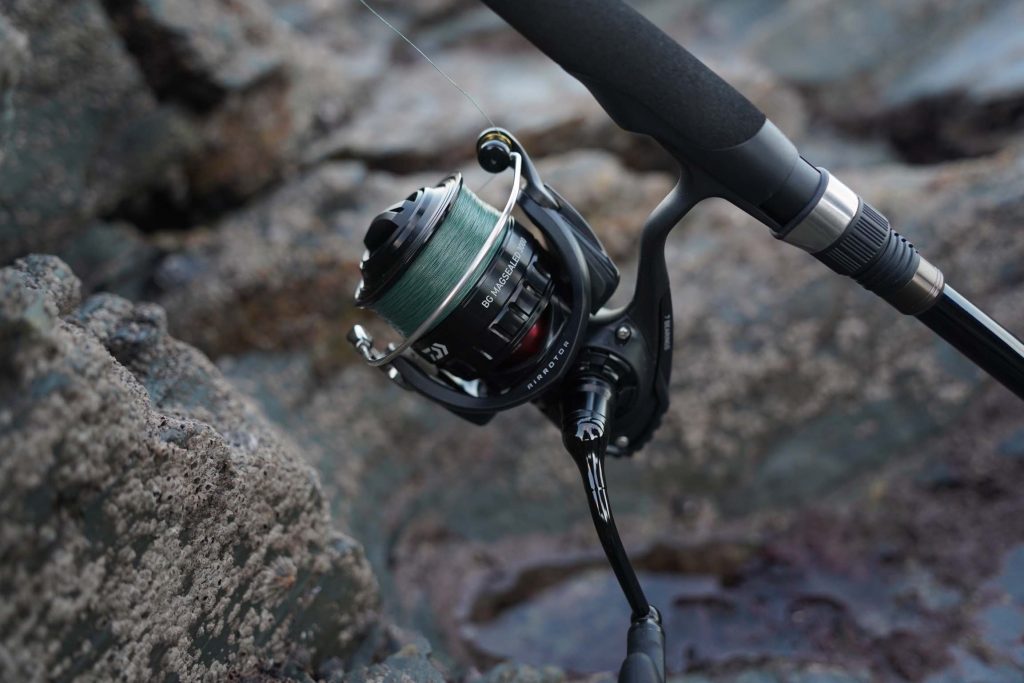
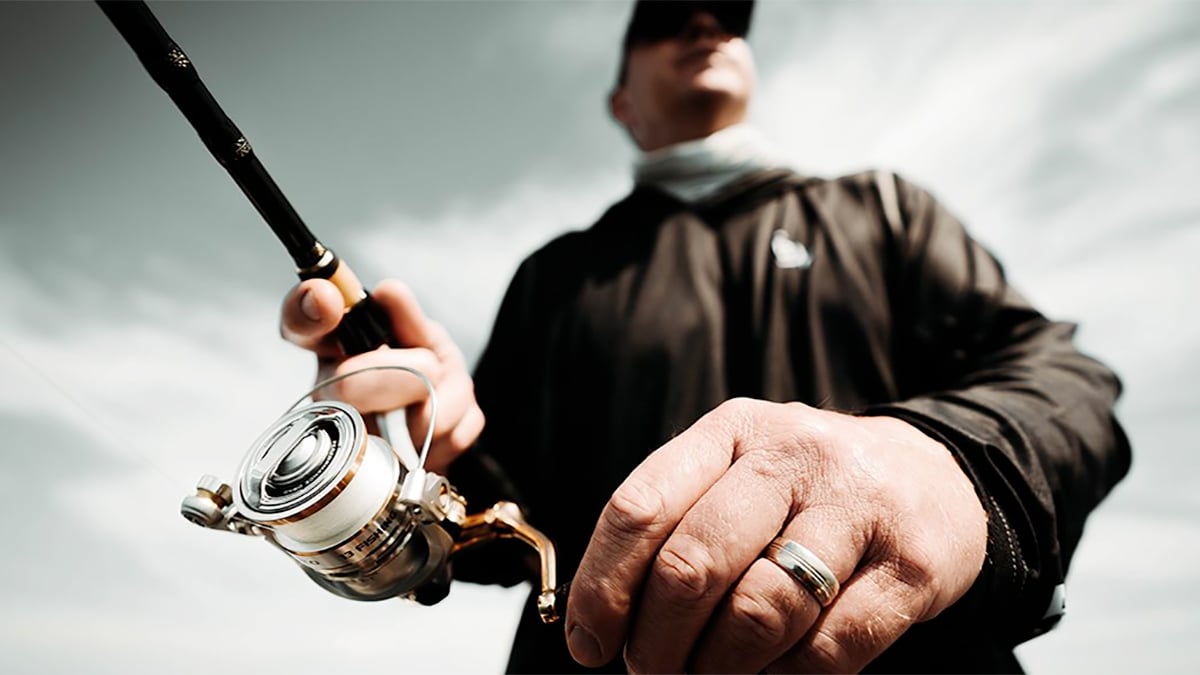
Spinning reels are the most widely used type, perfect for both novices and seasoned pros. These reels feature a pivoting spool beneath the rod, allowing line to flow freely during casting. Their mechanics involve a twisting handle that winds line onto the spool. Spinning reels stand out for their versatility across diverse fishing settings.
This type of reel allows users to efficiently cast lighter lures while having the strength to handle larger fish. Target species can include bass, redfish, and crappie, with many saltwater versions designed to manage larger species such as snook, tarpon, and jack crevalle. Medium-size saltwater spinning reels typically range from 4000 to 6000 in size designation.
- Ease of use for right-handed and left-handed users alike.
- Effective for various fish sizes.
- Highly adaptable in different environments.
- Popular options include brands like Shimano, Daiwa, and Abu Garcia.
Baitcasting Reels
Baitcasting reels represent an advanced option favored by professional anglers due to their superior precision and power. These reels mount on top of the rod and contain more moving parts, allowing for enhanced casting accuracy. The strengths of baitcasting reels include durability and drag capabilities, perfect for heavy lures and powerful fish.
However, using baitcasting reels requires a steeper learning curve, as they are more prone to backlash during casting. Common target species for baitcasters include bass and pike, where casting accuracy is crucial. Learning how to manage these reels will improve performance and confidence on the water.
- Precision casting capabilities for advanced techniques.
- Ability to handle heavier lines and big fish.
- Requires regular practice to avoid common issues like backlash.
Spincast Reels
Spincast reels are the simplest option available, ideal for beginners or casual fishing enthusiasts. They feature a closed design that requires minimal maintenance and effort, making them the perfect choice for introducing children or new anglers to fishing. Their mechanics involve a button for easy casting and drag adjustments that enhance usability.
These reels work effectively with lightweight lines and lures, especially in inshore fishing environments. A notable benefit is their budget-friendly nature, making fishing accessible for everyone. Spincast reels typically have a straightforward design, perfect for novice anglers.
- User-friendly design suited for all ages.
- Great for lightweight lures and inshore fishing.
- Budget-friendly options available for beginners.
Conventional and Lever Drag Reels
Conventional reels are designed for heavy-duty applications, capable of enduring extreme loads. These reels are essential for professional offshore anglers targeting big game fish. They feature two primary drag systems: lever drag and star drag systems, each providing unique performance advantages during fishing.
- Lever drag offers smooth adjustments during fights with large fish.
- Constructed for durability in demanding conditions.
- Suitable for various fishing methods, including trolling and bottom fishing.
Choosing the Right Fishin Reel
Factors to Consider
When selecting a fishing reel, several essential criteria must be evaluated. This includes understanding the drag system, gear ratio, line capacity, and overall durability. Matching the reel type to your target species and fishing environment is crucial for effective performance.
For example, small freshwater fish like trout require lighter setups, while larger saltwater species call for sturdy reels capable of handling the strain. Other factors like comfort, weight, and ease of operation should be prioritized based on your fishing style.
- Evaluate the drag system based on fishing requirements.
- Consider gear ratio for retrieval speed.
- Ensure line capacity meets target species needs.
- Choose a reel designed for your specific fishing environment.
Brand Recommendations
When it comes to brand reliability and quality, several names stand out in the fishing reel market. Shimano and Daiwa are leaders in the spinning reel category, known for their exceptional performance and pricing spectrum. Penn is recognized for its traditional appeal and durability, while other reputable brands include Abu Garcia and Zebco for spincast reels.
Exploring reputable brands and expert reviews can aid in making informed choices based on market trends and personal preferences. Doing thorough research on brands ensures that anglers can find the best fit for their unique fishing needs.
- Shimano: Excellent design and technology.
- Daiwa: Focus on performance and durability.
- Penn: Reliable with a strong reputation in fishing.
- Abu Garcia and Zebco: Well-regarded for beginner-friendly options.
Maintenance of Fishin Reels
Cleaning and Care
Proper maintenance of fishin reels is vital to prolong their lifespan and enhance performance. Regular cleaning, particularly after saltwater use, prevents corrosion and contamination from sand, salt, or residue. Rinsing reels and air-drying them is critical before storage to ensure they remain in optimal condition.
Additionally, lubricating moving parts according to manufacturer specifications keeps reels functioning smoothly. Regular checks on the drag system and other critical components help prevent performance issues in the field.
- Rinse reels after use, especially in saltwater environments.
- Air-dry thoroughly to prevent rust and deterioration.
- Use recommended lubricants to maintain functionality.
Troubleshooting Common Issues
Common issues affecting baitcasting reels include backlash, which occurs when the spool rotates faster than casting speed. Adjusting braking systems can mitigate this problem, while ensuring proper reel tension can enhance performance.
Other common issues include drag malfunctions, line lay problems, and symptoms of wear or corrosion. Understanding and addressing these issues promptly ensures fishing reels continue to perform adequately over time.
- Identify and resolve backlash through adjustments.
- Address drag system issues with routine inspections and maintenance.
- Keep an eye on corrosion in saltwater conditions.
Conclusion
Selecting the correct type of fishin reels based on individual needs and fishing scenarios is crucial. The knowledge of different reel types allows anglers to make informed decisions tailored to their personal experiences. Investing time in learning about maintenance will ensure the optimal performance and longevity of fishing reels.
Enhance your fishing experience and ensure successful fishing trips by choosing the right fishin reels. Understanding the nuances of each type will facilitate better angling efforts, whether for leisure or competition.