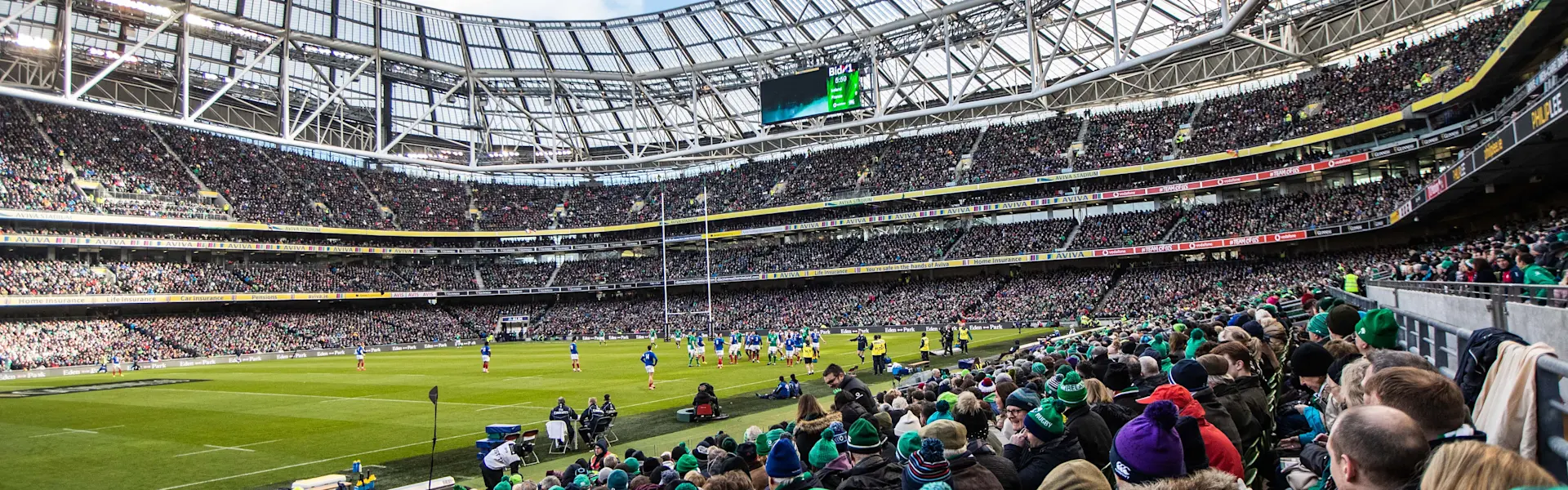
Ireland vs South Africa: Game Analysis
Explore how South Africa achieved victory over Ireland, examining key factors and player performances.
- Team Performance
- Set Piece Analysis
- Player Impact
- Rivalry Context
The encounter between Ireland and South Africa at Aviva Stadium was a showcase of physical prowess and tactical expertise, with South Africa prevailing 24-13.
The highly anticipated clash between Ireland and South Africa took place on November 22, 2025, at Aviva Stadium in Dublin, resulting in a significant victory for South Africa with a score of 24-13. This outcome not only reflects South Africa's prowess as reigning world champions but also serves as a litmus test for Ireland's standing in international rugby. The performance of both teams during this match is pivotal for understanding their prospects moving forward.
The clash between these rugby giants highlighted the growing intensity of their competition, with each meeting adding new layers of history and rivalry. As South Africa celebrated their long-awaited victory in Dublin, the focus turned to how Ireland could learn and improve from this encounter. This match served as a crucial analysis point for both teams as they assessed their readiness and adaptability on the international stage.
In the 2025 autumn campaign, Ireland displayed inconsistent form, concluding with two wins and two defeats across their four Test matches. Their campaign saw a powerful display against Australia, where they secured a 46-19 victory, displaying their attacking capabilities with six tries. However, they also faced disappointing defeats, notably against New Zealand, which placed them at a critical juncture before facing South Africa.
To understand Ireland's performance, we must consider their game against Japan, where they comfortably won, contrasting sharply with the chaos faced in their recent encounter with South Africa. The autumn series has highlighted the potential within Ireland’s squad, yet also their vulnerabilities, particularly in high-pressure situations.
South Africa entered the match on the back of an impressive six-game winning streak, most recently defeating Italy with a score of 32-12. Their form has been defined by strong tactical execution and consistent performance metrics that emphasize their high scoring efficiency. Averaging more than five tries per game while also demonstrating a robust defense shaped their confidence going into this crucial fixture.
The Springboks have excelled in maintaining momentum, utilizing their physicality and strategic acumen to dominate games. Their formidable reputation as world champions has been reinforced through these performances, indicating a well-prepared team ready for the challenges posed by top-tier nations like Ireland.
Understanding the critical factors and player performances that influenced the match between Ireland and South Africa.
Examining the implications of the victory for South Africa and the lessons Ireland can take forward.

Ireland's ill-discipline played a crucial role in the match outcome, as they struggled with maintaining control under pressure. The first half saw Ireland reduced to 12 men after James Ryan received a red card and four yellow cards were issued. This disarray significantly impacted their ability to compete effectively against a disciplined and aggressive South African side.
The repercussions of the discipline issues were felt not just in terms of player numbers but also in the momentum shift that Ireland faced during critical phases of the match. South Africa capitalized on this advantage, further demonstrating how discipline—and the lack thereof—can be a deciding factor in high-stakes rugby encounters.
The dominance of South Africa in set-piece situations emerged as a defining aspect of the match. Their scrummaging prowess allowed them to gain significant ground and dictation of play. The performance showcased their technical superiority and physicality, thus allowing them to create scoring opportunities with relative ease.
Despite Ireland's attempts to contest aerial battles and utilize their own set pieces, the lack of cohesion in their front row crumbled under pressure. The ability of South Africa to secure clean ball and launch attacking plays from set pieces illustrated their tactical brilliance in the forward play.
The historical matchup between Ireland and South Africa reflects a rich rivalry that has developed over the years. As recorded, South Africa leads the series with 19 wins to Ireland's 10, plus one draw. This pattern of wins indicates an established dominance, yet the competitiveness has heightened in recent fixtures, marked by narrow scorelines and tense battles. The 2025 victory is particularly significant, ending a 13-year winning drought for South Africa in Dublin, intensifying the narrative of their rivalry.
In recent encounters, Ireland has shown improvement and resilience, adjusting their strategies to compete with the traditional powerhouses of rugby. Assessing how closely contested this rivalry has become provides insights into their respective growth and evolving identities on the international stage.
The match featured standout players who played pivotal roles in determining the outcome. For South Africa, Sacha Feinberg-Mngomezulu showcased his creativity and leadership at fly-half, orchestrating plays to exploit defensive gaps in Ireland's line. Pieter-Steph du Toit was instrumental in defense, thwarting numerous attempts from Ireland, particularly when they sought to initiate attacks. Furthermore, Grant Williams delivered consistent performance as scrum-half, providing quick ball and options for the forwards.
On the Ireland side, captain Caelan Doris was vocal about the need for growth from the defeat, suggesting that lessons learned would shape their performance in future tournaments. Despite the loss, key players like Garry Ringrose and Josh van der Flier contributed significantly, showcasing their experience and athleticism on the field.
In conclusion, the match between Ireland and South Africa not only provided insights into the strengths and weaknesses of both teams but also underscored the imperative of discipline in professional rugby. South Africa's tactical superiority and physical dominance highlighted their readiness to contend at the highest level, signaling their ongoing position as world champions. As Ireland reflects on this performance, there lies an opportunity for growth and development that could define their future matches.
Proudly supported by leading Rugby nations and organizations.


Explore how South Africa achieved victory over Ireland, examining key factors and player performances.

Analyzing the strategic decisions and outcomes of the recent match between these two rugby powerhouses.
As the Rugby World Cup approaches, nations gear up with strategic camps and player evaluations.
A detailed look back at the thrilling matches and surprising outcomes of the Autumn Nations Series.
Ireland seeks to bounce back with renewed strategy and focus after recent matches.