
Trainer Insights: Strategies for the Galway Hurdle
Explore the latest trainer strategies and horse performances in the preparation for this year's Galway Hurdle.
- Trainer interviews
- Insights on tactics
- Performance analysis
- Future projections
The Galway Hurdle, with its inception in 1913, is a two-mile handicap race at the heart of the Galway Festival, offering substantial prizes and a challenging course.
The Galway Hurdle stands out as a significant event in the horse racing calendar, drawing the attention of fans and bettors alike. Known for its thrilling atmosphere and competitive spirit, the Galway Hurdle captures the essence of horse racing. This article will explore the history, race format, significant details such as the prize fund, and insights that define the Galway Hurdle.
The Galway Hurdle is a prestigious event that has been captivating audiences since its inception in 1913. The inaugural race was won by a horse named Red Damsel, marking the beginning of a rich history that spans over a century. This race is not only a highlight of the Galway Festival but also represents a celebration of tradition and competitive racing, drawing in a diverse audience ranging from local fans to international bettors.
The Galway Hurdle is a prestigious event that has been captivating audiences since its inception in 1913. The inaugural race was won by a horse named Red Damsel, marking the beginning of a rich history that spans over a century. This race is not only a highlight of the Galway Festival but also represents a celebration of tradition and competitive racing, drawing in a diverse audience ranging from local fans to international bettors.
The race itself is approximately two miles long, specifically 2 miles and 11 yards (3,229 meters), featuring nine hurdles that the competitors are required to jump. This element of the race showcases the agility and strength of the participating horses. It is worth noting that the Galway Hurdle exclusively features horses that are four years of age and above, allowing for a blend of younger talent and seasoned racers contending for victory. The race operates under a handicap format where weights are adjusted to ensure a fair competition among the horses, creating an exciting betting environment for fans.
The Galway Hurdle is traditionally scheduled to take place during the Galway Festival, which is held annually in late July or early August. This event takes place on the fourth day of the festival, known specifically for showcasing National Hunt races. The timing and scheduling of the Galway Hurdle play a crucial role in attracting large crowds and fostering an electric atmosphere throughout the event.
The Galway Hurdle is more than just a race; it's a cultural tradition embedded in the fabric of Irish horse racing, known for its challenging course and high stakes.
Offering a substantial prize fund, the Galway Hurdle draws top talent and thrilling competition, making it a marquee event at the Galway Festival.

For the 2025 race, the Galway Hurdle boasts an attractive prize fund of around €270,000, which significantly enhances its prestige and allure. The substantial financial incentives encourage top-tier competitors to enter, contributing to the high-quality field that regularly participates in this storied race. This prize fund is instrumental in maintaining the Galway Hurdle's reputation as a premier event in the horse racing circuit.
The vibrant atmosphere at the Galway Racecourse elevates the overall experience of attending the Galway Hurdle. Situated in the picturesque setting of Galway, the event marries local charm with a dynamic international presence. Attendees can savor an exciting blend of sporting prowess and cultural activities, enhancing the appeal of the race. Audiences can expect an atmosphere filled with enthusiasm, as both bettors and non-bettors alike engage in the lively celebrations synonymous with the Galway Festival.
Over the years, several trainers have emerged as dominant figures in the Galway Hurdle. Notably, Willie Mullins has established himself as a leading trainer by securing victories in five of the last ten renewals, showcasing his mastery and understanding of the race. His success extends to the remarkable performances of horses such as Sharjah, Aramon, and Saldier, which have contributed to his legacy in this event. In addition, jockey Patrick Mullins, often riding for his father, has further solidified his reputation through his multiple wins.
Recent analyses of winning patterns reveal interesting trends regarding the Galway Hurdle. Many winners have consistently carried weights signifying ratings of 140 or above, indicating the competitive caliber of horses required to clinch victory. The variability of winning times also paints a picture of the race's dynamic nature, with records such as Overturn's impressive time of 3:33.70 in 2010 illustrating the intense competition that characterizes the event. In contrast, some races have shown slower winning times, highlighting the unpredictability inherent in horse racing.
The 2025 edition of the Galway Hurdle featured exceptional performances, as anticipated due to the competitive nature of the field. Various strategic decisions made by trainers and jockeys played a role in the outcomes, providing insights into potential trends for future races. These performances marked a continuation of the rich tradition associated with the Galway Hurdle, offering spectators thrilling moments while reinforcing the race's importance within the annual calendar.
When looking ahead, the projected contenders for future Galway Hurdle races are likely to stem from esteemed stables such as those of Willie Mullins and Gordon Elliott. The evolution of racing strategies, including weight management and jockey tactics, continues to adapt to the high stakes presented in this race. Expectation for the emergence of new contenders who will challenge established figures ensures that the Galway Hurdle remains a focal point of interest for horse racing enthusiasts.
The Galway Hurdle is a prestigious National Hunt hurdle race held annually during the Galway Festival in Ireland.
The race is a handicap event that requires horses aged four years and older to jump nine hurdles over a distance of approximately two miles.
Yes, the Galway Hurdle follows strict compliance and regulatory standards, ensuring fair competition among participants.
Attending offers an exhilarating atmosphere packed with high-stakes racing, cultural festivities, and a unique chance to engage with the horse racing community.
To begin betting, familiarize yourself with the race's history, study the competing horses’ past performances, and consult betting platforms that provide options for the Galway Hurdle.
The Galway Hurdle encapsulates the rich heritage and competitive spirit of horse racing. From its historical beginnings to the modern-day spectacle, the event has evolved while maintaining its status as a highlight of the Galway Festival. As spectators continue to flock to this cherished event, the importance of the Galway Hurdle remains firmly established within the landscape of horse racing.
The Galway Hurdle is supported by leading sponsors who contribute to the prestige and success of the event, ensuring it remains a key attraction in the horse racing world.

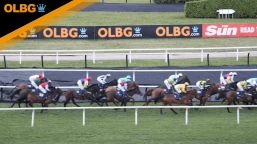

Explore the latest trainer strategies and horse performances in the preparation for this year's Galway Hurdle.

Relive the exciting moments from the Galway Festival, featuring the much-anticipated Galway Hurdle race.